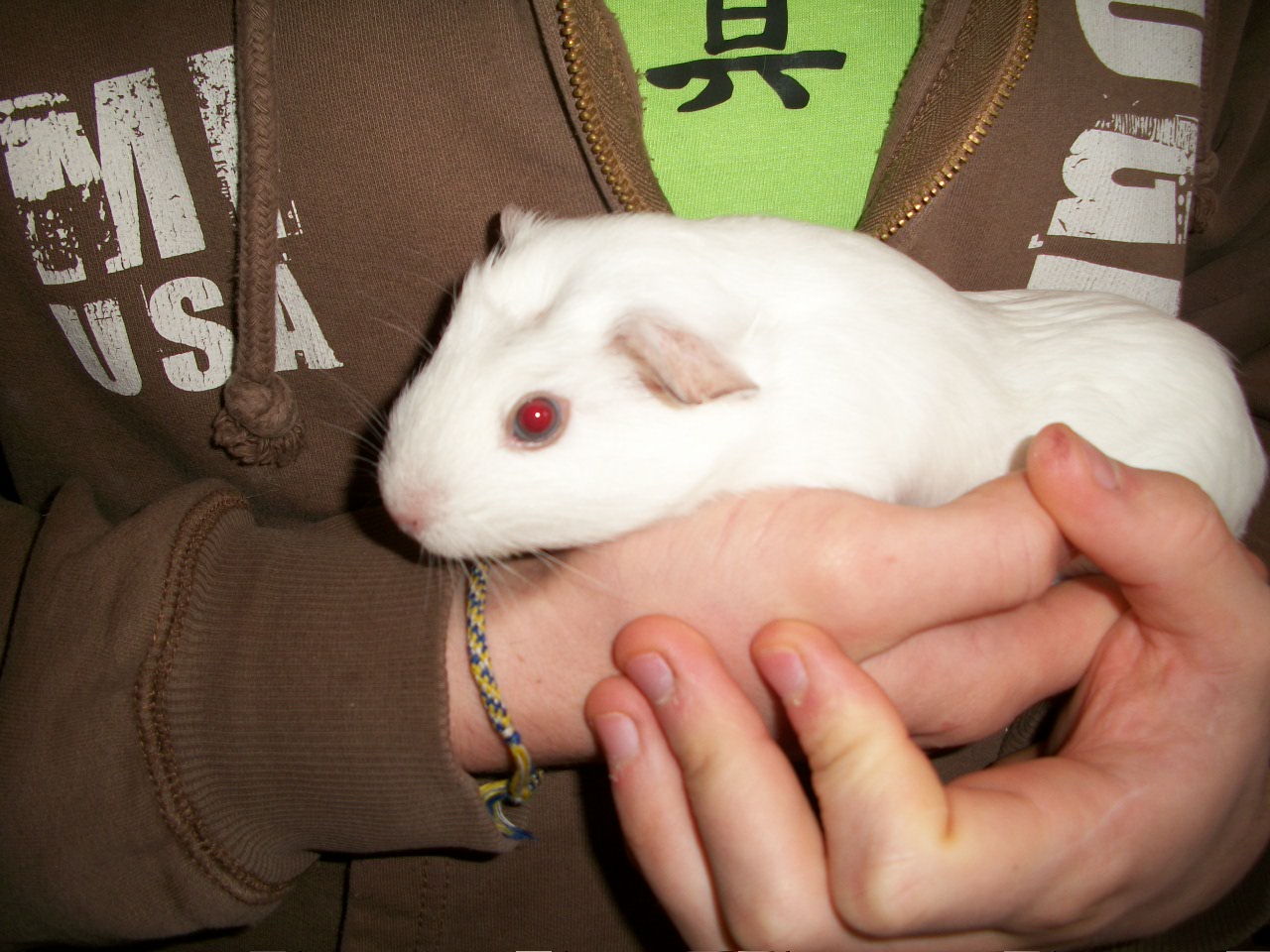
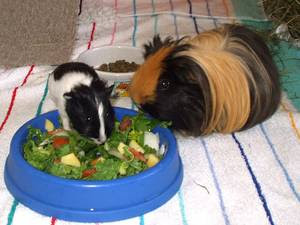
We liked many of the names suggested. Thank you all for your great ideas.
....she will be Violet Rose!
WHAT DID YOU DO ON ADOPT THE INTERNET DAY?
Can you guess these Christmas songs?
You will find two lines from six different Christmas songs below. Guess what song they belong to and send your answers to my Catcalls shop. The winner will be sent a surprise stuffed animal in time for Christmas! A name will be drawn in the event of a tie.
Good Luck!
And enjoy the completely unrelated pictures along the way!


Christmas is coming, the pigs are wearing hats.

Please join the choir as they whistle, squeak, and chat.

If singin’ ain’t you’re thing, then jugglin’ will do.

If jugglin’s just too tough, then dance without your shoes!

But whatever you do....don’t FURget the prezzies!
All product photos can be found at Otter House on Amazon


Guinea pigs are really very hardy little guys. They do not require massive amounts of tedious
attention-just some basic care to keep them happy and healthy. If you can provide all of these things, you are a good candidate for guinea pig ownership!

1. Keep your piggie's cage clean and dry. Pine chips, straw, hay-no cedar chips! They are toxic to guinea pigs.
2. Keep away from drafts! This is a big one. Once a guinea pig catches a respiratory illness, it is very hard for them to recover.
3. Keep their room at a consistent temperature. Gradual seasonal changes in temperature are not a problem. Just no abrupt changes. 60 - 80 degrees is suitable.
4. Allow plenty of fresh air, but no drafts.
5. Give fresh pellets made for guinea pigs, not rabbit pellets, and water daily.

6. Daily vitamin C is essential. They are like humans in this regard, needing outside sources of this vitamin. Fresh, clean, raw veggies and fruits are best.
7. Give your piggies plenty of light without placing him in direct sunlight.
8. Keep his toenails clipped. This is an easy task-just like clipping your own! Be careful to clip below the 'quick', the fleshy part underneath the nail.
9. Examine your guinea pig often to catch any lumps, bald spots, runny nose etc. before they get serious. Playing regularly with him will keep you more alert to any changes.
10. It is possible to transfer a respiratory illness to your pet. Be careful to keep your distance when you are sick and wash your hands before touching him.

If you notice any of the following, unless you are well versed in guinea pig care, talk to your vet! These may develop into serious conditions.
Not eating or drinking, discharge from eyes or ears, diarrhea, hair loss, weight loss, dull ruffled hair, dull or half closed eyes, nose in corner of cage with little movement or hunched posture.

Yes! You CAN teach your guinea pig to play dead!

But can you teach him to fly? I will let you know after I have some lessons with Tooey!
Of the 30 or 40 guinea pigs I have had, I have lost a few to the above illnesses, mainly in my childhood years, due to ignorance. Most of my piggies have lived 4 or more years. For the little amount of care they require, they have brought an abundance of fun and joy into our lives! I can't imagine life without a guinea pig!
Having owned dozens of piggies in my life,I have been through MANY breeding sessions. And there is nothing more fun than baby guinea pigs!
Breeding should take place when the sow is between 4 and 6 months old. Any sow over one year old that has never been bred is in danger of complications. Prepare your young piggie by giving her a little extra vitamin C and calcium found in broccoli. Vitamin K is also important for blood clotting and can be found in carrots. Keep your boar in good shape! Fat boars can be sterile boars!

Sows come into heat every 15 to 17 days and can be bred at any time of year. Their gestation period is 63-72 days. Leave the boar in the cage for a month and then it is best to remove him as a sow can come into heat within a few hours after giving birth. That would be a no no!

When it is time to deliver, the sow will not waste time making a nest or finding any special place. She will just pick a spot and get down to business! As each pup comes out, she will break the sac and clean it up. They usually have 1 to 3 pups, but I have had up to 5 in as litter. Labor lasts 10-30 minutes. Wouldn't that be nice!

Now the fun begins! Pups are born with eyes open and fur! They begin moving right away and within minutes are wandering around the cage. They are quite carefree as the sow does all the work. As long as you are caring properly for the sow, it is unlikely that problems will occur. They will nurse for 4-6 weeks and should be eating solid food quite well by then. Separate the boys from the girls at 4 weeks to prevent unwanted mating!
The more you handle your baby piggies, the friendlier they will be. Skittish, nervous animals are that way due to lack of attention. If you have done your job, you can reach into the cage and scoop up your little buddy with very little scurrying and resistance.

This was just a brief tutor on breeding. It is a good idea to read up on everything to be prepared, but if you have a healthy sow, you will probably not be needed and can just enjoy the fun! In my 30 years of guinea pig ownership, there have only been one or two times things went awry. And one of those was due to a very young sow getting pregnant.

I love having babies around! They are truly one of my most favorite little animals!
Patty
THIS VIRTUAL PETSJUBILEE BBQ BASH
IS DEDICATED TO
SHARI & KEN
Special thanks go to:
October is Guinea Pig Month!
(That's just my own declaration!)
This month I'll be sharing some interesting and fun facts about my pets. Starting with ...their name!
Guinea pig is the common name for cavy. They originated in South America. These rodents have no visible tail, four toes on the front feet, and three toes on the back. They are neither from Guinea nor are they pigs. They are said to have gotten their name because they squeal and were sold by British sailors for a guinea, an Old English coin.
If they are properly cared for , they will live 5 to 7 years. I have had several live to that age. They are strictly herbivores. Plants only, please!
There are 11 recognized breeds of guinea pigs at this time which is the focus of today's post. Within each breed there are 23 varieties which include a number of colors and color patterns. Silkies have longer smooth coats, but the head and face are not covered like the Peruvians. Satins have a hollow hair shaft that gives the hair a nice sheen. Teddies have short wiry hair. Abyssinians have rosettes or tufts,and Americans have smooth short hair.
Here we go!